Dairy
Zero-grazing dairy & expansion
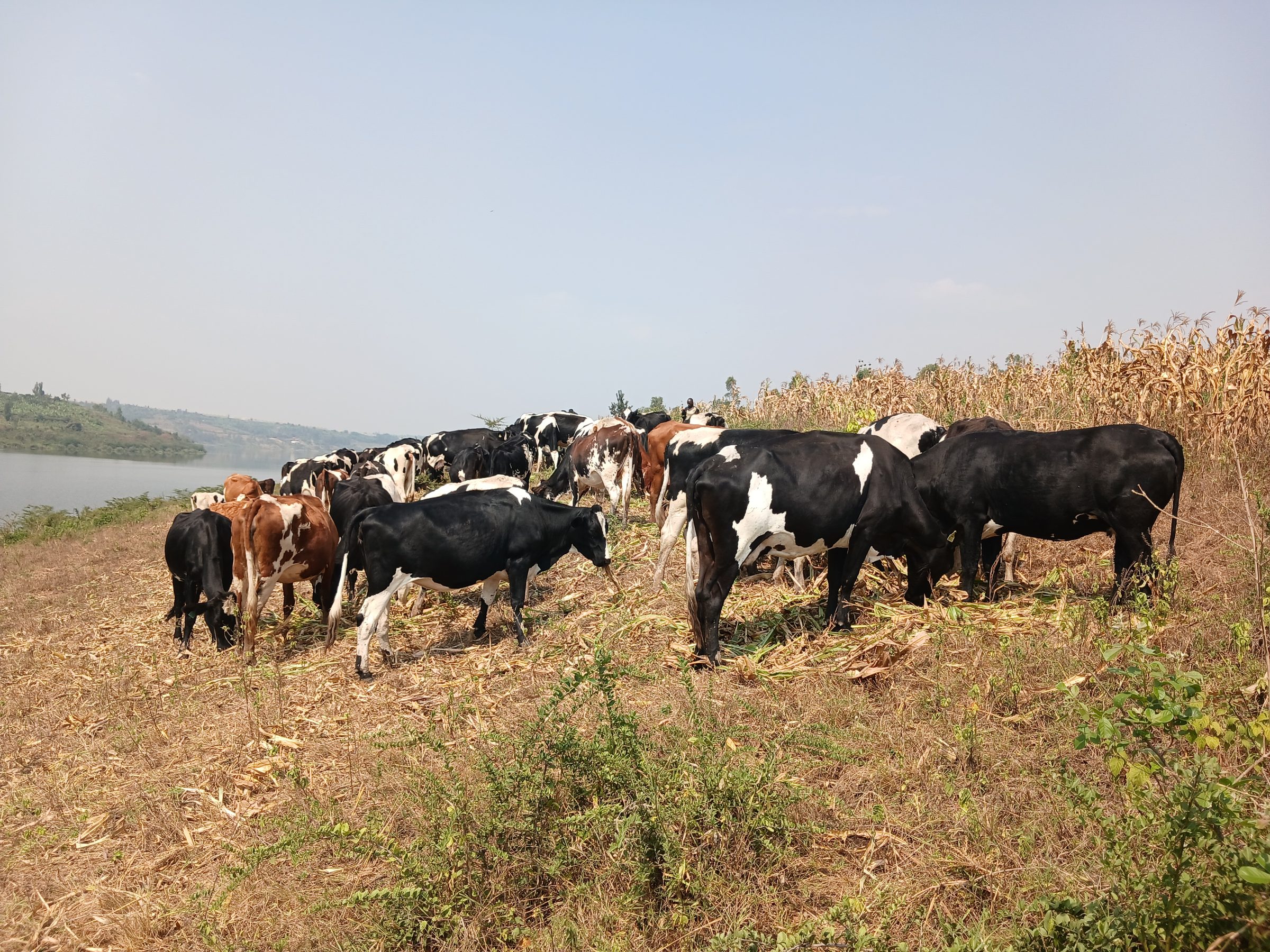
Open-sided free-stall barns with feed alleys, water troughs and rubber-matted cubicles. Land is reserved beside them for future barns as the herd grows.
1 / 12
Gakoni · Kiramuruzi · Gatsibo District
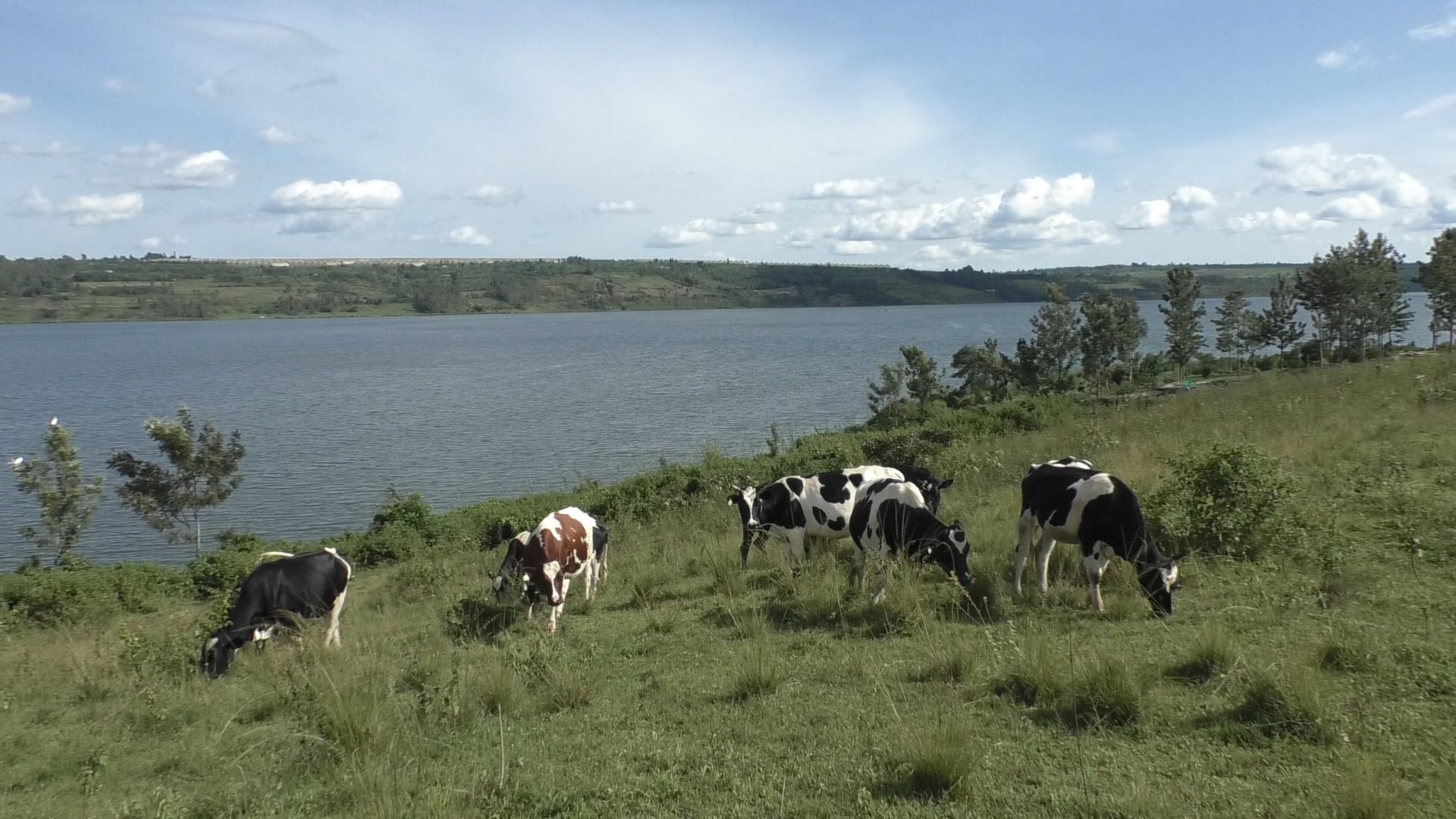
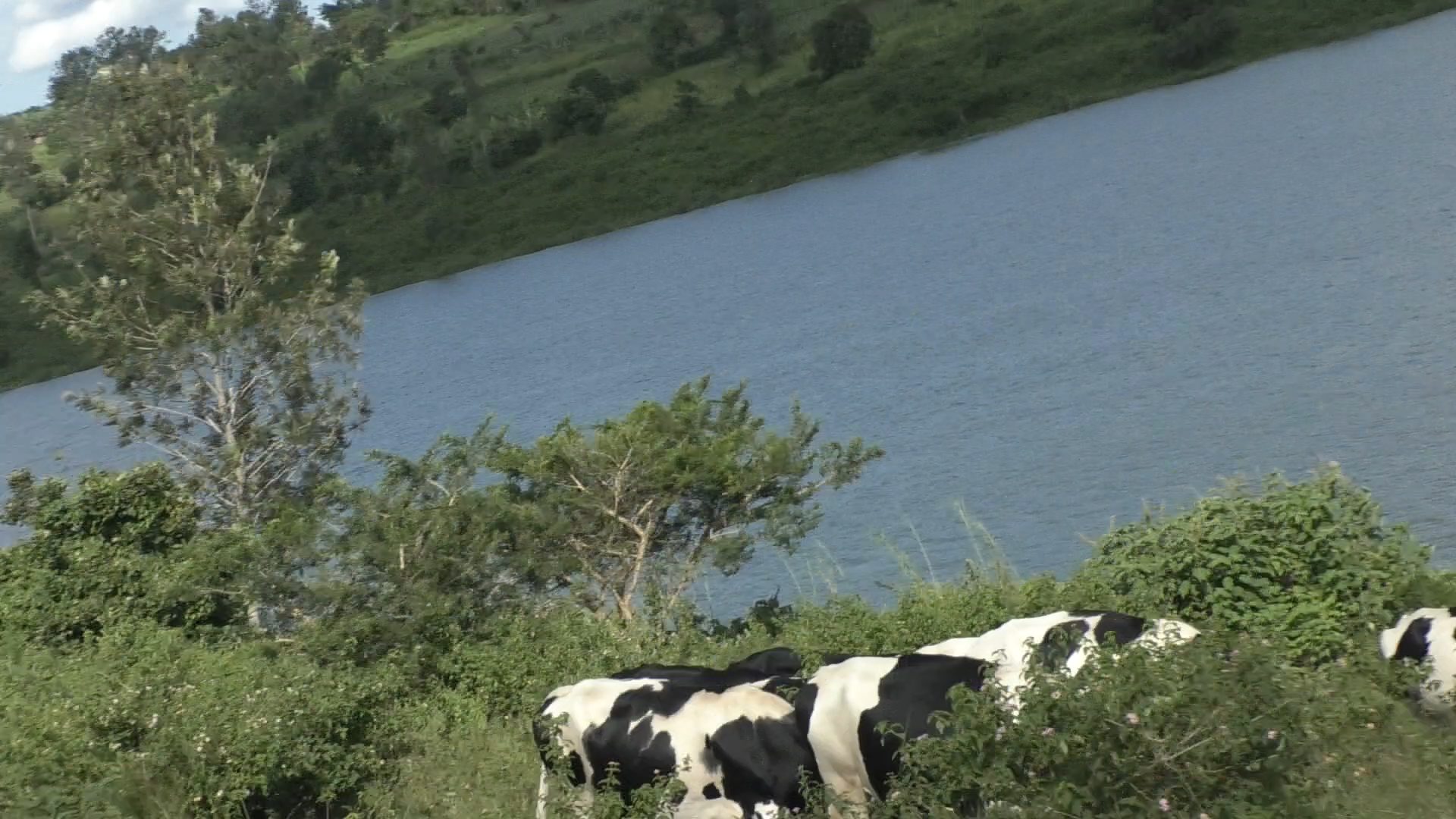
DIS Farm is an integrated zero-grazing dairy on the shores of Lake Muhazi, powered by the sun, watered by smart irrigation and built to give back more than it takes.
2030 target
4,000 L/day
Milk production target for 2030
The farm in numbers
4,000
Litres of milk a day
Production target by 2030, from a healthy, well-fed herd.
10
Hectares under smart irrigation
Sprinkler-irrigated fodder for year-round feed.
20
kWp of solar power
Baseline PV array running a 15 kW irrigation pump.
480
m³ water reservoir
Lined storage that buffers the lake intake.
Who we are
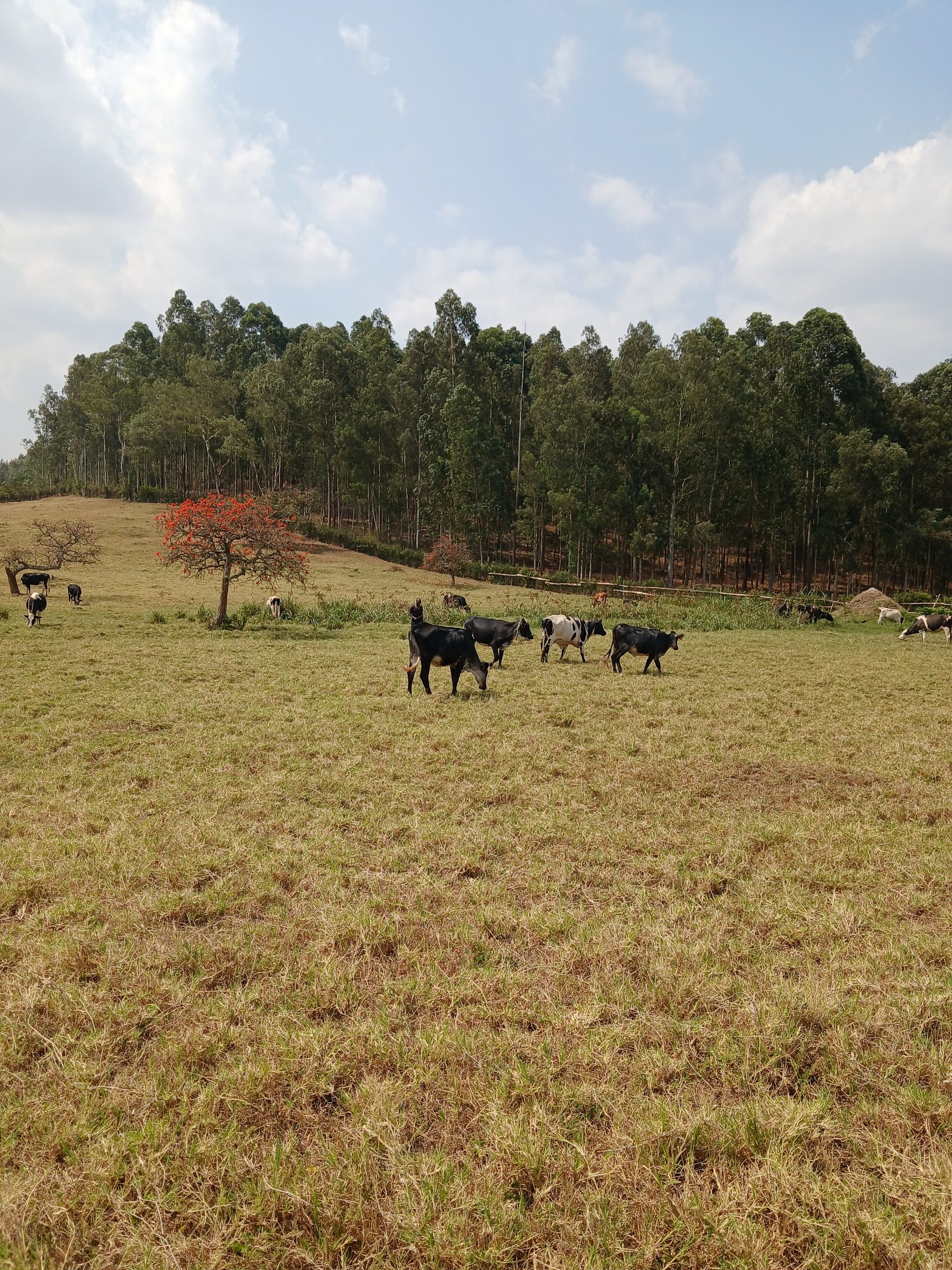
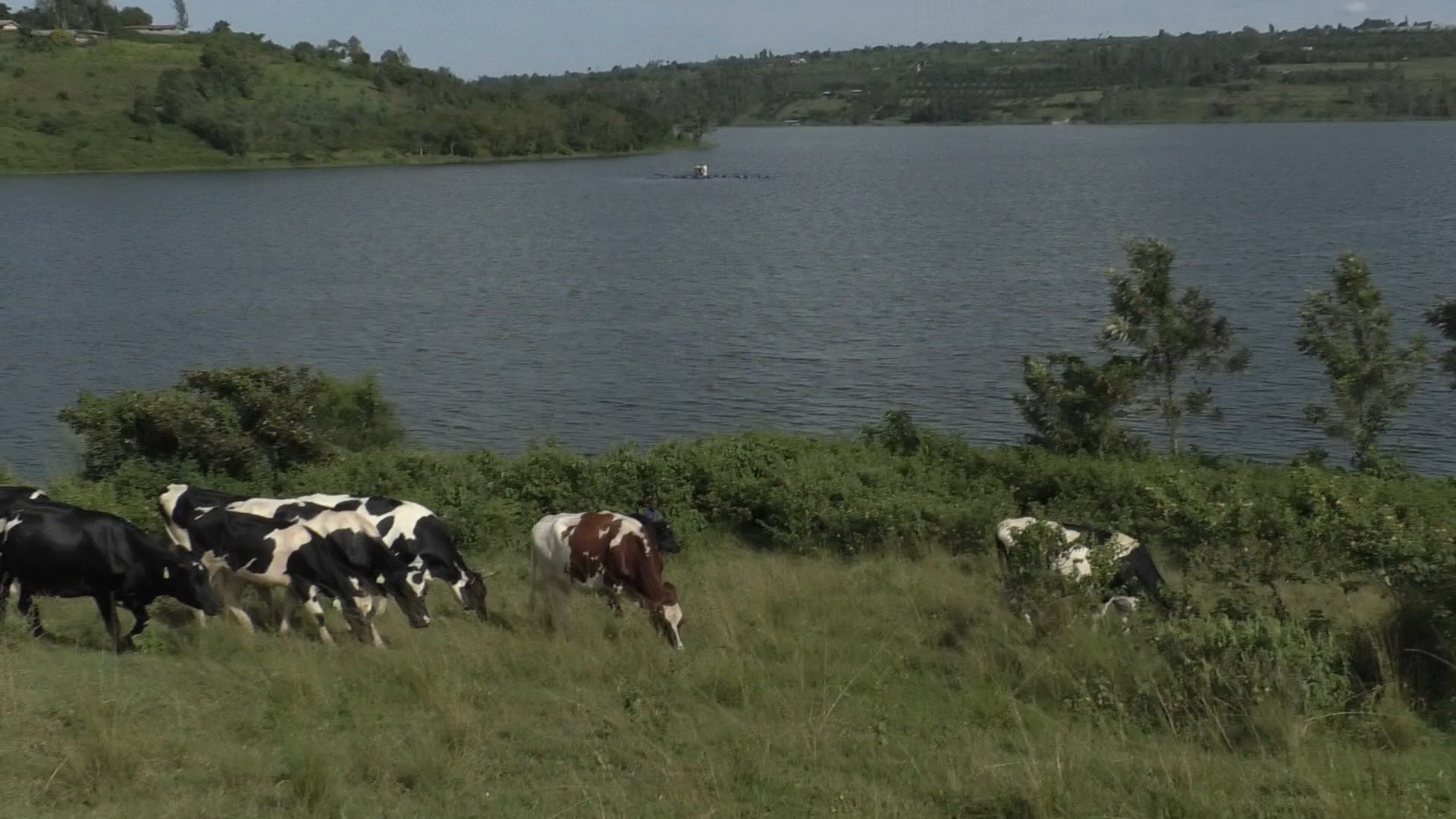
On a green ridge above Lake Muhazi, DIS Farm brings together everything a modern dairy needs: comfortable housing for the herd, clean milking and cooling, fodder grown on our own irrigated fields, and renewable energy to run it all.
Every part of the farm feeds another. Sunlight pumps water, water grows fodder, fodder feeds the cows, and manure returns to the soil as compost and biogas.
Cows are housed, fed and cared for in well-ventilated barns.
Rooftop PV and battery storage keep pumps and coolers running.
Manure becomes biogas and compost instead of waste.
The farm
Four core units handle every stage of milk production, designed around animal welfare, hygiene and efficiency.
Open-sided barns keep the herd cool, dry and comfortable, with constant access to fresh water and a balanced ration.
Learn moreA hygienic routine and fast cooling protect milk quality from the moment it leaves the cow.
Learn more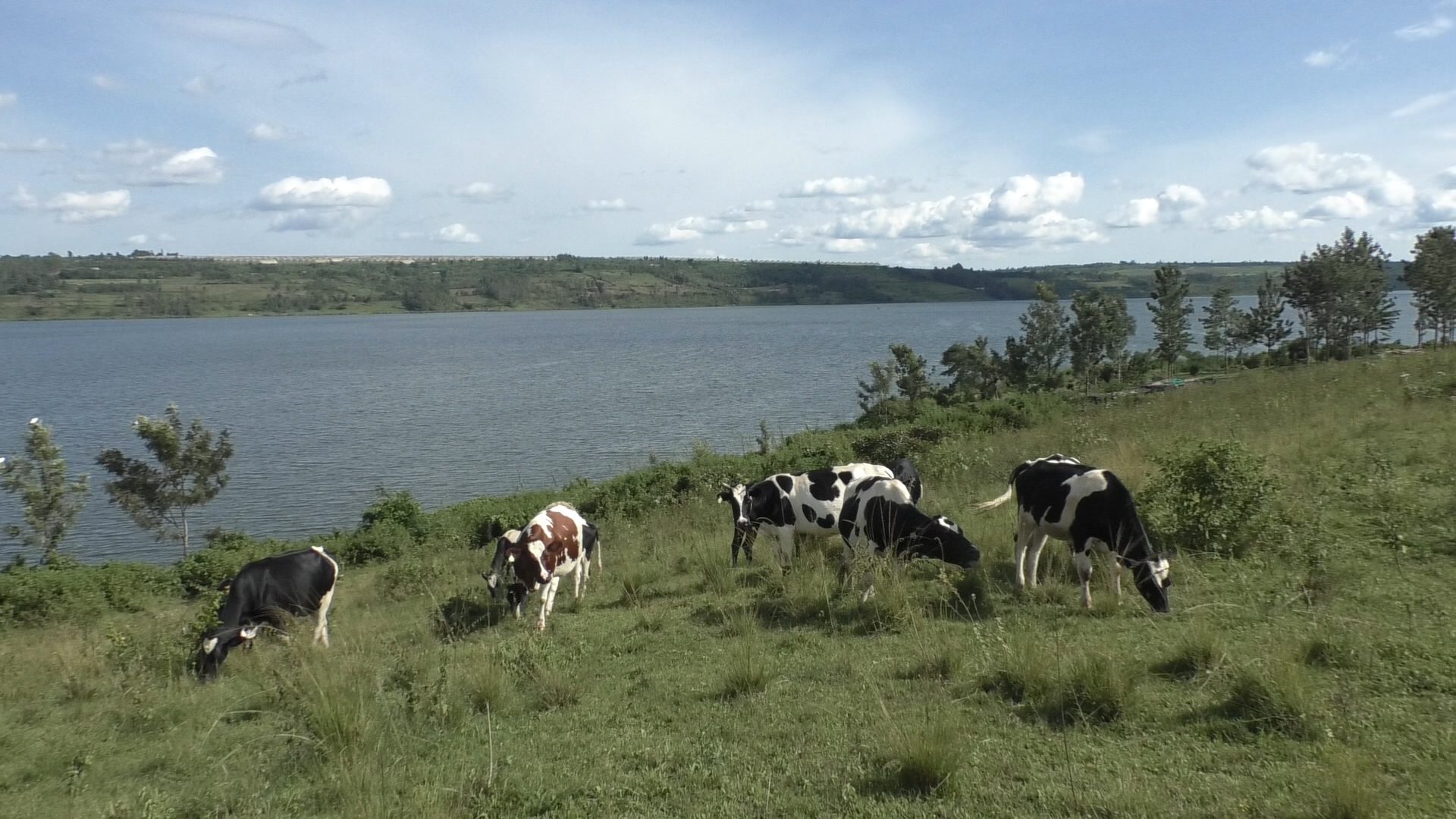
Dedicated calving pens, calf hutches and an on-site vet unit give every animal the best start and continuous care.
Learn more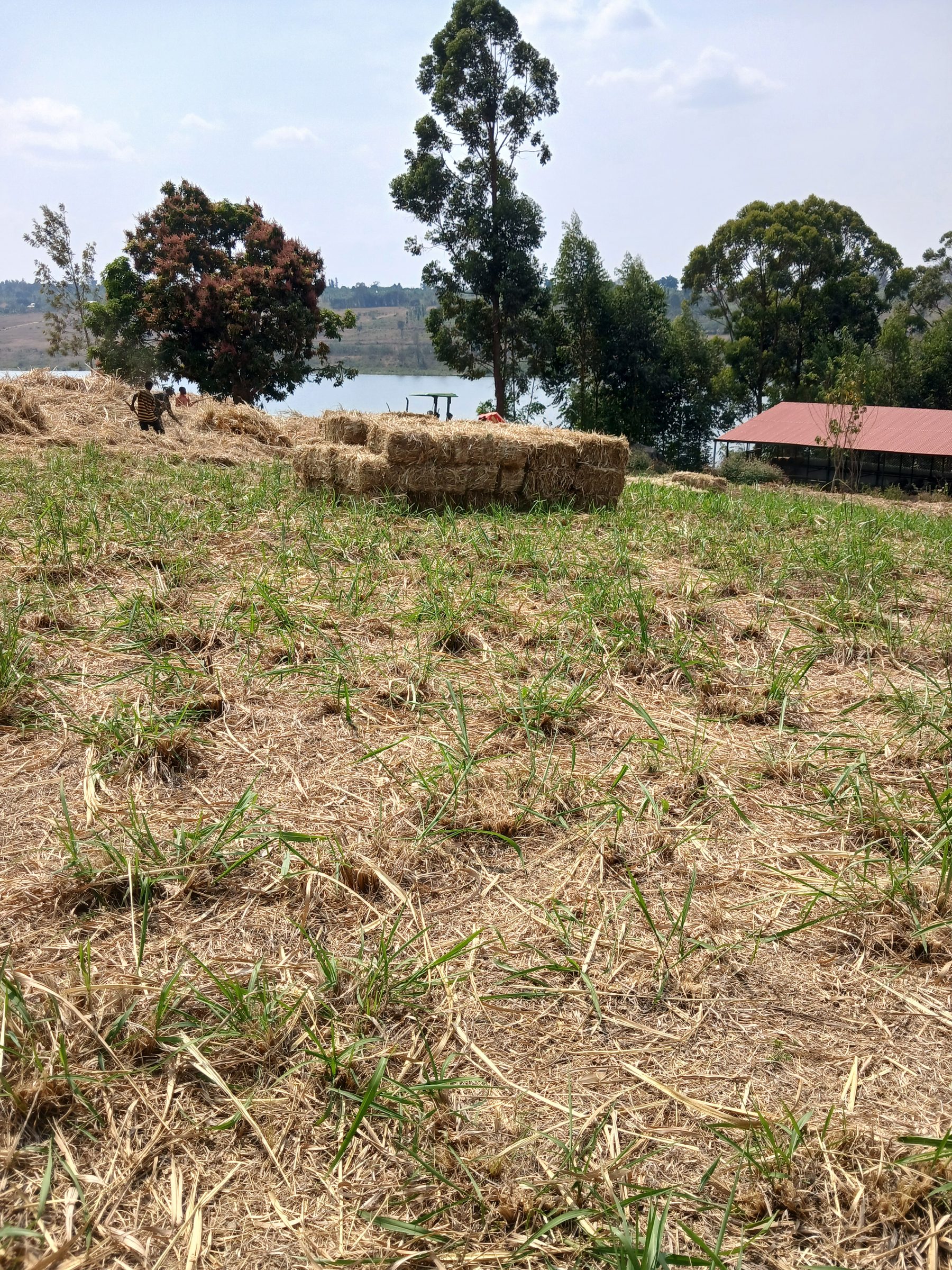
Fodder grown on our irrigated fields is harvested, ensiled and mixed into rations that keep yields steady through dry seasons.
Learn moreIntegrated masterplan 2030
Select a number to see how each facility fits into the farm: dairy, energy, water and the protected landscape around them.

Tap a number on the map or choose from the list.
Open-sided free-stall barns with feed alleys, water troughs and rubber-matted cubicles. Land is reserved beside them for future barns as the herd grows.
Circular by design
Each system feeds the next, cutting costs, protecting the lake and keeping the soil productive.
Solar PV powers the lake pump, milk cooling and farm buildings.
A screened lake intake fills the reservoir that feeds the sprinklers.
10 ha of irrigated Napier, maize and legumes grow year-round.
Cows eat a balanced ration and produce clean, cooled milk.
Slurry is collected from the barns into the treatment reserve.
Gas for the farm, nutrient-rich compost back to the fields.
Road to 2030
The masterplan is delivered in phases, each one building on the systems before it.
2026
Solar pump and lake intake, 20 kWp PV and the first 10 ha of irrigated fodder.
2027
Zero-grazing barn expansion, calf and maternity unit, feed centre and silage bunkers.
2028
Milking parlour, bulk cooling and rooftop PV with battery storage.
2029
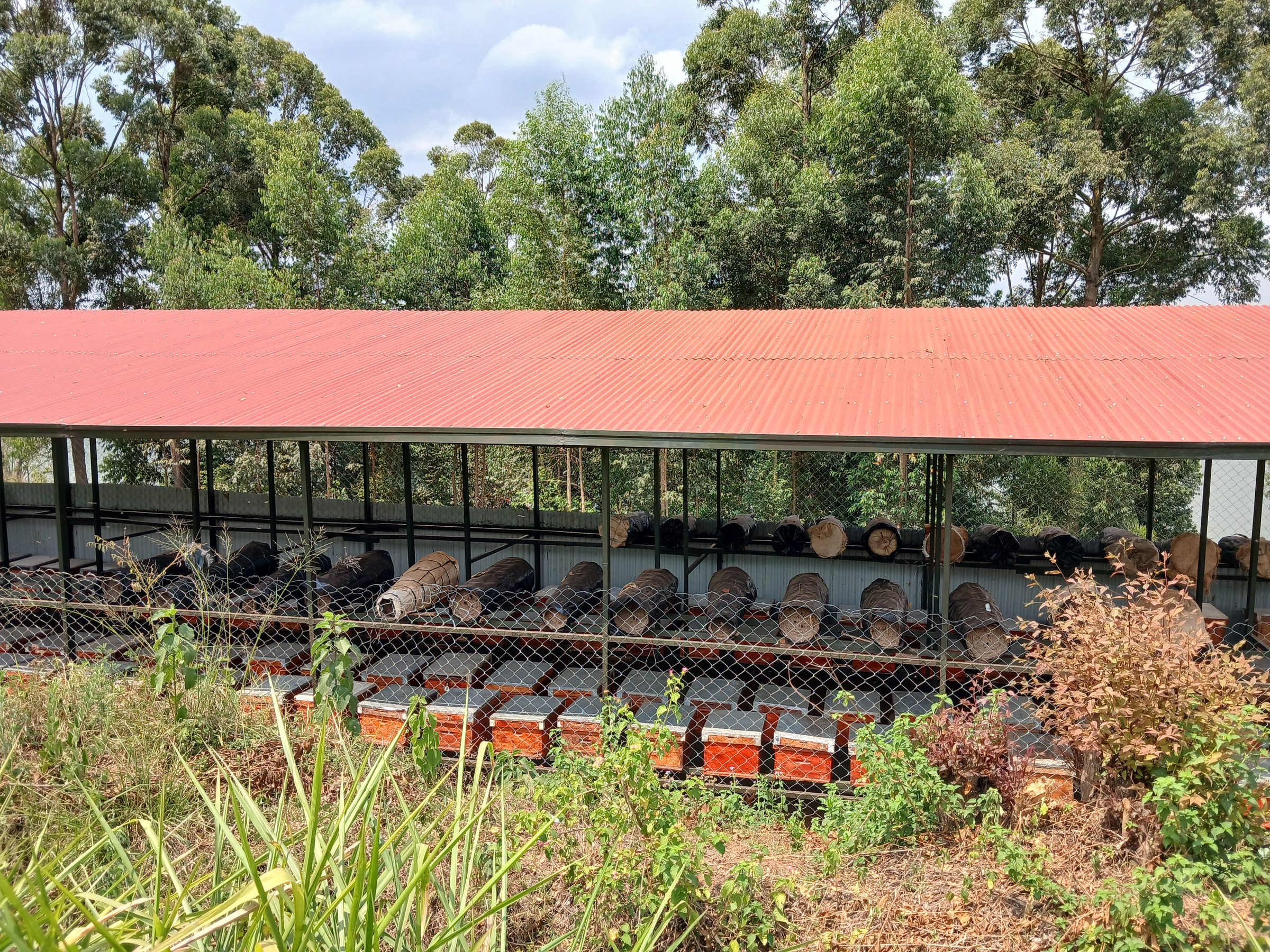
Manure treatment and biogas, compost, orchard, apiary and wetland restoration.
2030
Full herd in production, processing reserve and agritourism open.
What we offer
We supply processors, milk collection centres and institutions, and open the farm to partners and visitors.
Scaling upRaw milk cooled to 4 °C and tested before every dispatch, supplied in bulk on a reliable schedule.
Learn moreAvailableSeasonal surplus of silage and fresh fodder from our irrigated fields.
Learn more Available
Guided tours and practical training on zero-grazing, fodder, milk hygiene and farm energy.
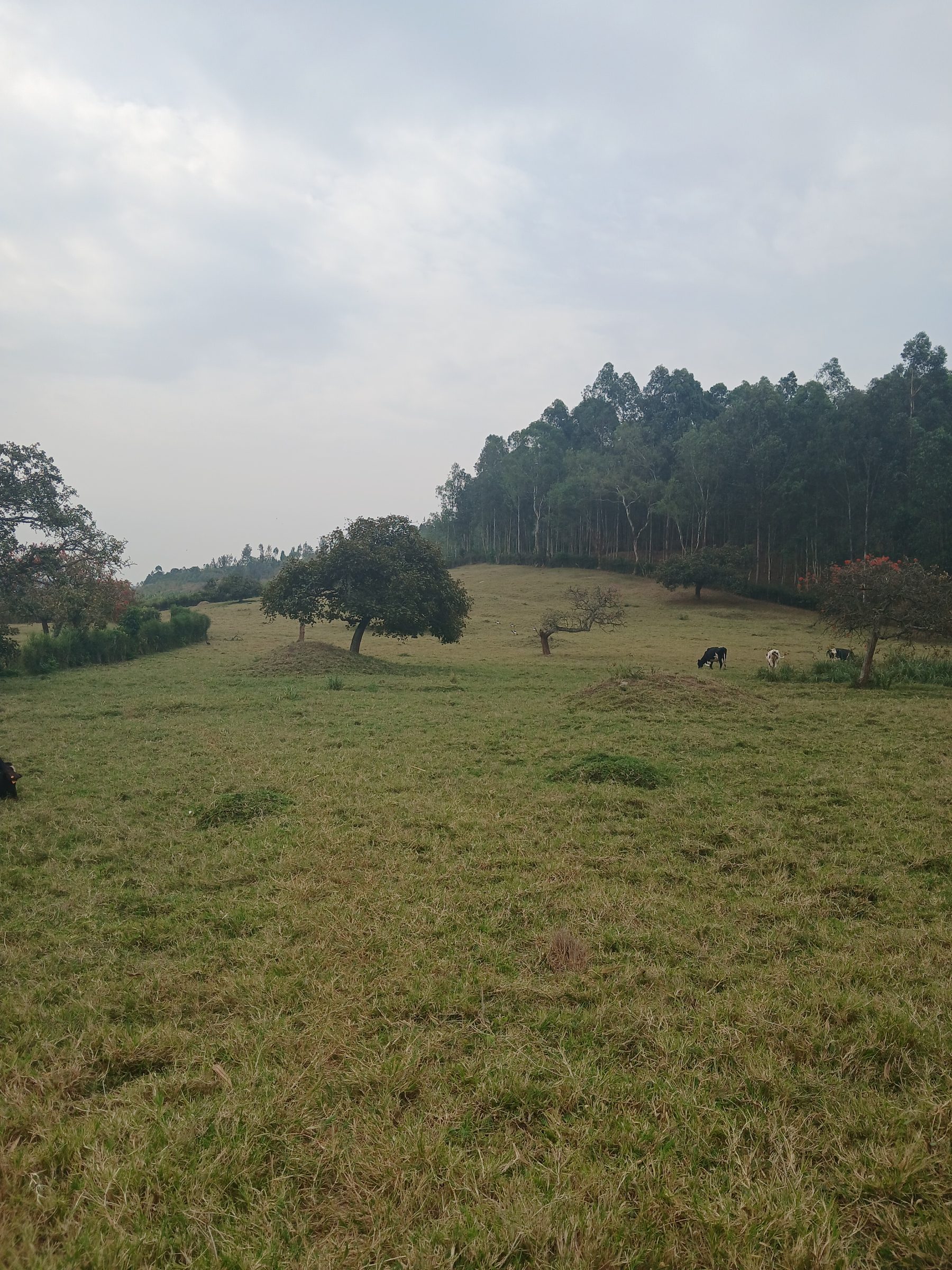
Learn moreLife on the farm
Questions
We are in Gakoni Cell, Kiramuruzi Sector, Gatsibo District in Rwanda's Eastern Province, on the shore of Lake Muhazi. The farm is about an hour and a half's drive north-east of Kigali.
Yes. We supply chilled raw milk in bulk to processors, milk collection centres, hotels, schools and other institutions. Contact us to discuss volumes and a supply agreement.
Yes, by appointment. Guided visits are available for schools, farmer groups, partners and investors. We ask every visitor to follow our biosecurity rules to protect the herd.
Our cows live in comfortable, well-ventilated barns instead of grazing in open fields. Fodder is grown on the farm, harvested and brought to them, which improves nutrition, milk yield and animal health while protecting the land.
The lake intake is screened and solar-powered, water is stored in a reservoir and applied by efficient sprinklers, manure is treated rather than released, and a restored wetland buffers the lakeshore.
No. It is a concept masterplan with indicative siting. Solar and battery sizing depends on a load study, and reservoir volume and irrigation hydraulics will be confirmed by engineering surveys.
Book a guided farm visit, discuss a milk supply agreement, or talk to us about partnering on the 2030 plan.